
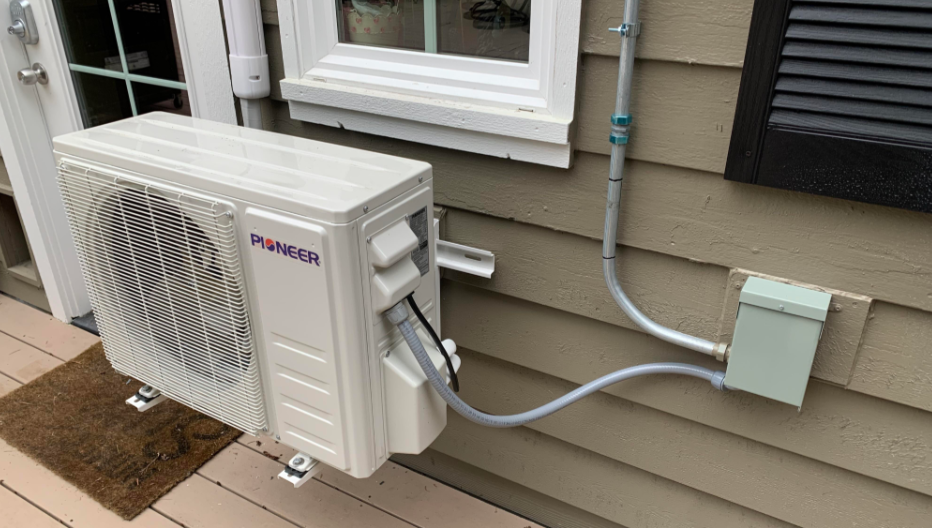
Large commercial and institutional buildings often need more than a standard air conditioning setup to manage their cooling demands. Data centers, hospitals, and industrial facilities require carefully engineered systems built around continuous, high-capacity cooling. Cooling system installation services address this need, designing and installing equipment capable of handling loads that standard commercial air conditioning cannot manage alone.
Getting this installation right requires detailed planning well before any equipment reaches the site.
Why Specialized Cooling Installation Matters
Facilities like data centers and hospitals cannot tolerate cooling failure, even briefly. Cooling system installation services for these environments are built around redundancy, precise temperature control, and capacity that accounts for future growth, not just current demand. A system designed without this foresight often needs costly expansion within a few years of installation.
Industrial facilities have a different but equally demanding requirement, needing cooling systems that can handle process heat loads consistently across long production cycles.
Types of Commercial Cooling Systems
Precision Cooling for Data Centers
These systems maintain tight temperature and humidity ranges required to protect sensitive server and networking equipment.
Chilled Water Systems
Common in hospitals and large office buildings, chilled water systems distribute cooling through a network of pipes to multiple zones from a central plant.
Process Cooling Systems
Industrial facilities often require cooling systems tailored to specific manufacturing processes, with capacity calculated around equipment heat output rather than occupancy.
Redundant Cooling Configurations
Critical facilities frequently install backup cooling units alongside primary systems to ensure continuous operation if one unit fails.
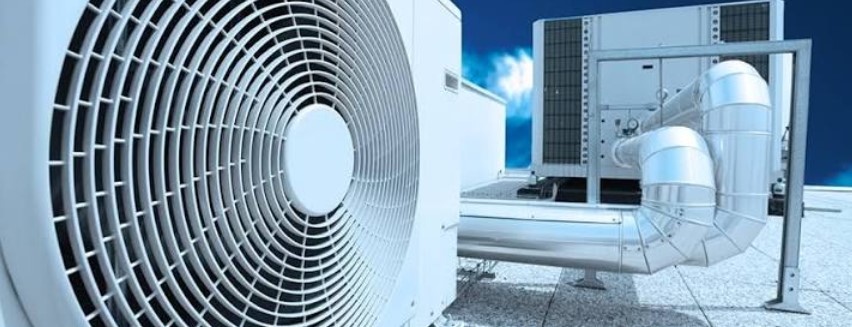
What Cooling System Installation Services Include
Load Calculation and Capacity Planning
Engineers calculate current and projected cooling loads, factoring in equipment heat output, occupancy, and planned facility growth.
Piping and Distribution Design
For chilled water and central systems, piping is designed and routed to distribute cooling evenly while minimizing energy loss.
Redundancy and Backup Planning
Critical facilities often require N+1 or 2N redundancy configurations, ensuring backup capacity is available if a primary unit fails.
Commissioning and Performance Verification
Once installed, systems are tested under simulated load conditions to confirm they meet designed temperature and capacity targets before going live.
Common Faults and Installation Challenges
Underestimated Future Capacity
Facilities that grow faster than anticipated often find their cooling system installation services were sized for initial needs only, requiring early expansion.
Piping and Distribution Imbalances
Poorly designed distribution networks can leave some zones under-cooled while others receive excess capacity.
Redundancy Gaps
Skipping proper backup planning during installation leaves critical facilities exposed to full failure if a single unit goes down.
Integration With Existing Infrastructure
Retrofitting new cooling systems into older buildings often requires significant modification to existing piping, electrical, or structural elements.
Coordinating Installation Around Continuous Operations
Data centers and hospitals rarely have downtime windows large enough for major installation work, requiring careful phased scheduling.
Expert Motor Vehicle Coolant Refilling Services in Nairobi and Kiambu
Estimated Costs of Cooling System Installation Services
| System Type | Estimated Cost Range (KES) | Typical Duration |
|---|---|---|
| Precision cooling unit (data center, per unit) | 800,000 – 2,500,000 | 1–2 weeks |
| Chilled water system (small building) | 2,000,000 – 6,000,000 | 3–5 weeks |
| Chilled water system (large facility) | 6,000,000 – 20,000,000+ | 6–10 weeks |
| Process cooling system (industrial) | 1,500,000 – 8,000,000+ | 2–6 weeks |
| Redundant backup unit installation | 500,000 – 3,000,000 | 1–3 weeks |
| Piping distribution network setup | 300,000 – 1,500,000 | 2–4 weeks |
Costs vary considerably depending on facility type, redundancy requirements, and the scale of the cooling demand being addressed.
Planning Cooling Capacity for the Long Term
Facilities that invest properly in cooling system installation services at the design stage rarely face the costly retrofits that come from underestimating future demand. Building in redundancy and capacity headroom from the start, rather than treating it as an optional upgrade, is what keeps critical operations protected as facilities grow.
Expert Motor Vehicle Coolant Refilling Services in Nairobi and Kiambu