
Commercial buildings depend on stable indoor conditions to keep operations running. Offices, hospitals, warehouses, and institutions all rely on equipment that rarely gets a second thought until it fails. When it does fail, HVAC repair services become an urgent priority rather than a scheduled task. A single breakdown in a hospital ward or a data center can affect far more than comfort. It can affect safety, equipment, and revenue.
Understanding what these repairs involve, where problems typically start, and what they cost helps commercial operators plan better and respond faster when something goes wrong.
Why HVAC Repair Matters in Commercial Settings
Businesses and institutions run HVAC systems on a scale and schedule that residential units never see. Equipment operates for extended hours, sometimes continuously, and serves large occupied spaces where temperature swings are noticed immediately. HVAC repair services in this context are not just about fixing a broken part. They are about restoring an operation to full function with minimal disruption.
A delayed repair in a commercial setting often escalates quickly. A minor refrigerant leak becomes a compressor failure. A clogged filter becomes a strained motor. This is why organizations that rely on continuous climate control build strong relationships with providers who understand commercial-scale HVAC repair services rather than general residential troubleshooting.
Common Systems That Require Repair
Rooftop Package Units
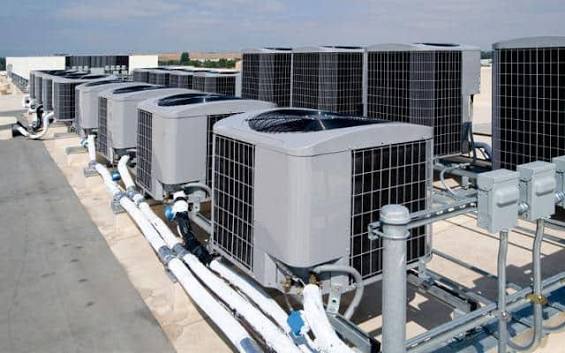
Widely used in retail centers, schools, and warehouses, rooftop units combine heating, cooling, and ventilation in one housing. Their exposure to weather makes them prone to specific wear patterns.
Air Conditioning Maintenance Services, in Nairobi and Kiambu
Chiller Systems
Larger commercial buildings and hospitals often use chillers to cool large volumes of air or water. These systems are complex and require specialized diagnostic knowledge when faults occur.
Split and VRF Systems
Variable refrigerant flow systems are common in modern office buildings, offering zoned control across multiple floors. Faults in one zone can sometimes be traced back to a shared outdoor unit.
Boilers and Heat Pumps
Institutions in colder climates or those needing consistent hot water rely on boilers and heat pumps, both of which require specific repair expertise distinct from cooling equipment.
What HVAC Repair Services Typically Include
Diagnostic Assessment
Technicians begin by isolating the fault using pressure readings, electrical testing, and airflow measurement. Accurate diagnosis prevents unnecessary part replacement and reduces repair costs.
Component Replacement
Common replacements include compressors, capacitors, fan motors, control boards, and refrigerant lines. Genuine or compatible parts are used to match the original system specification.
Refrigerant Recovery and Recharge
Leaks are located and sealed before refrigerant is recharged to the correct level, since both overcharging and undercharging reduce system efficiency.
System Testing and Verification
After repair, the system is run through a test cycle to confirm stable temperatures, correct pressures, and normal electrical draw before the job is considered complete.
Common Faults and Repair Challenges
Refrigerant Leaks
Slow leaks are difficult to detect and often only become obvious once cooling performance drops noticeably, by which point the compressor may already be under strain.
Electrical Failures
Capacitor and motor failures are common, particularly in units that run continuously. These faults often present as units that hum but fail to start.
HVAC System Troubleshooting Services, for all common issues and faults
Clogged or Frozen Coils
Dirty coils restrict airflow and cause icing, which then blocks the system entirely until it is manually thawed and cleaned.
Aging Control Systems
Older commercial units sometimes use control boards that are no longer manufactured, forcing technicians to source compatible replacements or recommend a partial upgrade.
Access and Downtime Constraints
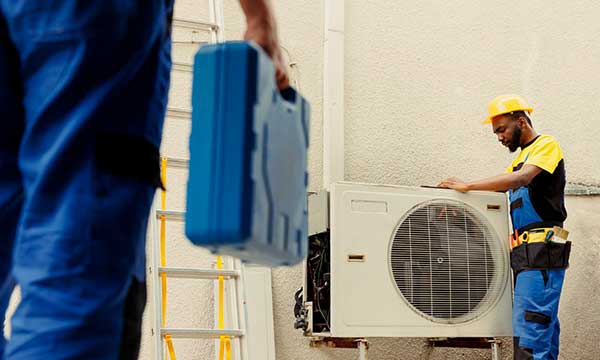
Repairing rooftop or mechanical room equipment in an occupied hospital or data center requires careful scheduling to avoid disrupting critical operations.
Estimated Costs of HVAC Repair Services
| Repair Type | Estimated Cost Range (KES) | Typical Duration |
|---|---|---|
| Capacitor or relay replacement | 5,000 – 12,000 | 1–2 hours |
| Compressor replacement | 60,000 – 180,000 | 1–2 days |
| Refrigerant leak repair and recharge | 15,000 – 45,000 | 1 day |
| Fan motor replacement | 10,000 – 30,000 | 1 day |
| Control board replacement | 20,000 – 60,000 | 1 day |
| Coil cleaning (deep service) | 8,000 – 20,000 | 1 day |
| Chiller system repair | 100,000 – 400,000+ | 2–5 days |
Actual pricing depends on system size, brand, and part availability, particularly for older or specialized commercial equipment.
Air Conditioning Repair Services in Kenya, for all common issues
Keeping Repairs From Recurring
Frequent HVAC repair services on the same unit usually signal a deeper issue, whether that's an undersized system working beyond its capacity or a maintenance gap that allowed small faults to compound. Organizations that track repair history and pair it with scheduled inspections tend to spot these patterns early, avoiding repeated emergency callouts and extending the working life of their equipment considerably.
- Washing Machine Repair in Nairobi
- Ventilation Systems
- Television Repair in Nairobi
- Television Repair
- Plumbing Services in Nairobi, Kenya
- Lawn Mower Repairs
- Coverage Locations
- Fridge Repairs
- Freezer Service
- Cold Room Services
- Borehole Services
- Appliance Services
- Commercial HVAC Services