
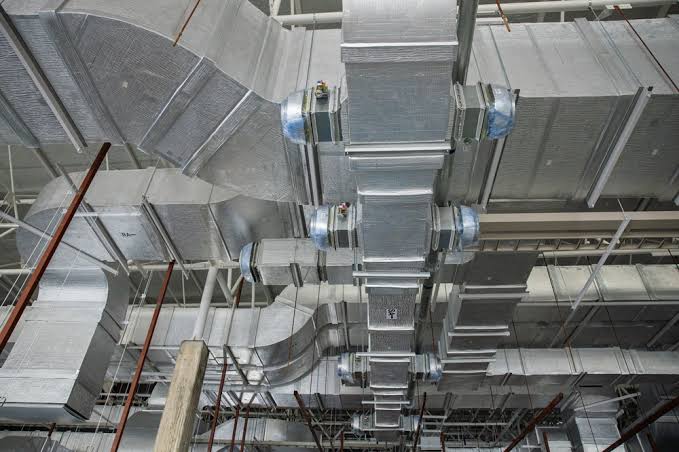
When ventilation systems fail or underperform, the effects are often felt before they're understood. Lingering odors, condensation, or complaints about stuffy air are common signs that something in the system needs attention. Ventilation repair services address these issues by identifying the actual point of failure within fans, ductwork, or extraction components.
For commercial kitchens and institutions with strict air quality requirements, timely repair is not optional.
Why Ventilation Faults Need Fast Attention
Unlike some building systems, ventilation problems tend to compound quickly. A failing extraction fan in a restaurant kitchen doesn't just create discomfort, it can allow heat, grease particles, and smoke to build up in ways that create safety risks. Ventilation repair services in commercial settings need to prioritize both speed and thoroughness, since a partial fix often leaves the underlying cause unresolved.
Hospitals and laboratories face even stricter requirements, where ventilation faults can affect pressure differentials critical to infection control or contamination prevention.
Common Systems Requiring Repair
Kitchen Extraction Systems
Grease buildup, worn fan motors, and damaged ductwork are frequent issues in restaurant and hotel kitchen extraction systems.
Mechanical Supply and Exhaust Units
Office and institutional ventilation systems can develop faults in fan motors, dampers, or control sensors that affect overall air balance.
Washroom and Utility Exhaust Fans
These smaller units often fail due to motor wear or blocked ductwork, reducing their effectiveness at removing odor and moisture.
Specialized Lab and Clean Area Systems
Faults in pressure-controlled ventilation require careful repair to restore correct differential pressure between spaces.
What Ventilation Repair Services Typically Include
Fault Diagnosis
Technicians inspect fans, ductwork, and control systems to identify whether the issue is mechanical, electrical, or related to blockages.
Component Replacement
Common repairs include fan motor replacement, damper repair, and ductwork patching or resealing where leaks or damage are found.
Grease and Debris Removal
Kitchen extraction systems often require thorough cleaning as part of the repair process to restore proper airflow and reduce fire risk.
Post-Repair Airflow Testing
After repair, airflow is measured to confirm the system meets its original design specification before the job is closed out.
Common Faults and Repair Challenges
Grease and Residue Buildup
Kitchen systems accumulate grease over time, which can restrict airflow and increase fire risk if not cleaned during repair work.
Fan Motor Failure
Continuous operation in commercial settings leads to motor wear, often presenting as reduced airflow or unusual noise before complete failure.
Ductwork Damage or Leaks
Physical damage, corrosion, or poor original installation can cause air leaks that reduce system efficiency significantly.
Sensor and Control Faults
Modern systems relying on sensors for demand-based ventilation can fail silently, reducing airflow without an obvious alarm or warning.
Access to Ceiling and Roof-Mounted Components
Repairing ductwork or extraction units located above ceilings or on rooftops requires careful planning to avoid disrupting building operations.
Estimated Costs of Ventilation Repair Services
| Repair Type | Estimated Cost Range (KES) | Typical Duration |
|---|---|---|
| Fan motor replacement | 10,000 – 30,000 | 1 day |
| Kitchen extraction hood cleaning and repair | 20,000 – 60,000 | 1 day |
| Ductwork patching/resealing | 8,000 – 25,000 | 1 day |
| Damper repair or replacement | 6,000 – 18,000 | 1 day |
| Sensor/control system repair | 15,000 – 40,000 | 1 day |
| Lab/clean area pressure system repair | 40,000 – 120,000 | 1–3 days |
Actual costs depend on the extent of damage, system age, and accessibility of the affected components.
Preventing Repeat Ventilation Failures
Recurring need for ventilation repair services often points to a maintenance gap rather than a one-off fault. Kitchens especially benefit from pairing repairs with a review of cleaning frequency, since grease accumulation is one of the most common root causes behind repeated extraction system failures.
Ventilation Maintenance Services
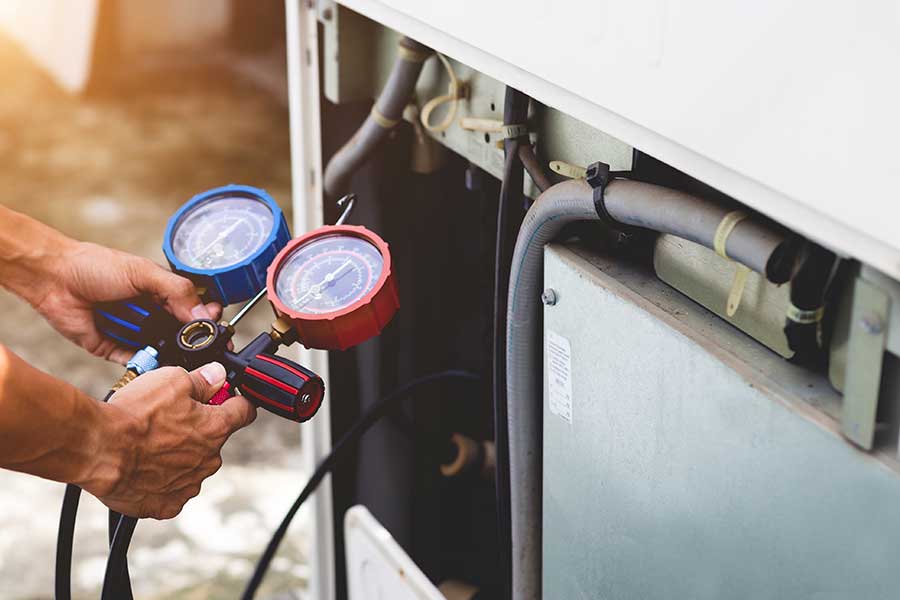
Ventilation systems work quietly in the background until neglect catches up with them. Reduced airflow, unpleasant odors, and rising humidity are all signs that a system hasn't been serviced in a while. Ventilation maintenance services are built around catching these issues early, before they affect air quality or create safety concerns in commercial kitchens and institutional buildings.
A consistent maintenance schedule is one of the simplest ways to avoid costly ventilation failures.
Why Ventilation Needs Regular Attention
Commercial ventilation systems handle far more airflow demand than residential setups, especially in kitchens, hospitals, and densely occupied office spaces. Ventilation maintenance services are structured around this heavier use, with service intervals set according to how quickly grease, dust, or moisture accumulates in a given environment.
Facilities with strict air quality or safety requirements, such as commercial kitchens and hospitals, depend on these services to remain compliant with health and safety expectations.
What Gets Checked During Maintenance
Fans and Motors
Fan units are inspected for wear, unusual noise, and reduced output, with lubrication or replacement carried out as needed.
Ductwork and Filters
Ducts are checked for buildup or damage, while filters are cleaned or replaced to maintain proper airflow.
Extraction Hoods
Kitchen extraction hoods are cleaned of grease residue, which reduces both fire risk and airflow restriction.
Control Systems and Sensors
Automated ventilation controls and sensors are tested to confirm they respond correctly to demand triggers.
What Ventilation Maintenance Services Typically Include
Scheduled Inspection Visits
Technicians follow a checklist covering fans, ductwork, filters, and controls, with frequency depending on the type of facility served.
Cleaning and Grease Removal
Kitchen extraction systems in particular require thorough grease removal to maintain both airflow and fire safety compliance.
Airflow Testing
Output at various points in the system is measured against expected benchmarks to catch gradual performance decline.
Maintenance Documentation
A report is provided after each visit, giving facility managers a clear record for compliance and planning purposes.
Common Challenges in Ventilation Maintenance
Grease Accumulation in Kitchens
Restaurant and hotel kitchens generate grease quickly, requiring more frequent cleaning cycles than other commercial ventilation systems.
Access to Rooftop and Ceiling Components
Extraction fans and ductwork located above ceilings or on rooftops can be difficult to reach without proper scheduling and equipment.
Multiple System Types on One Site
Larger facilities often run kitchen extraction, office ventilation, and specialized lab systems simultaneously, each requiring different maintenance approaches.
Compliance Documentation Requirements
Institutions such as hospitals and commercial kitchens often need detailed maintenance records for health and safety inspections.
Balancing Cost With Service Frequency
Facilities sometimes reduce maintenance frequency to cut costs, which often leads to more expensive repairs later.
Estimated Costs of Ventilation Maintenance Services
| Service Type | Estimated Cost Range (KES) | Frequency |
|---|---|---|
| Kitchen extraction hood cleaning | 15,000 – 40,000 | Monthly to quarterly |
| Office ventilation system service | 10,000 – 25,000 | Quarterly |
| Washroom/utility fan servicing | 3,000 – 8,000 | Biannually |
| Annual maintenance contract (small facility) | 60,000 – 150,000 | Per year |
| Annual maintenance contract (large facility) | 200,000 – 600,000+ | Per year |
| Lab/clean area system servicing | 40,000 – 100,000 | Quarterly |
Costs depend on system type, facility size, and the frequency required to meet operational or regulatory standards.
Making Ventilation Maintenance a Standing Priority
Facilities that schedule ventilation maintenance services consistently avoid the sudden odor complaints, compliance issues, and fire risks that come from deferred servicing. Kitchens in particular benefit from tighter cleaning cycles, since grease buildup is both a performance and safety concern that worsens quickly without attention.
-
Expert Fridge Repairs and Services in Nairobi, Kenya