
Television Tuner Components – Common Faults
The television tuner serves as the critical gateway between broadcast signals and your display, converting radio frequency (RF) signals into the audio and video content you experience. Understanding how tuner components work and recognizing their common failures empowers homeowners and technicians in Nairobi to address signal issues effectively before resorting to costly replacements.
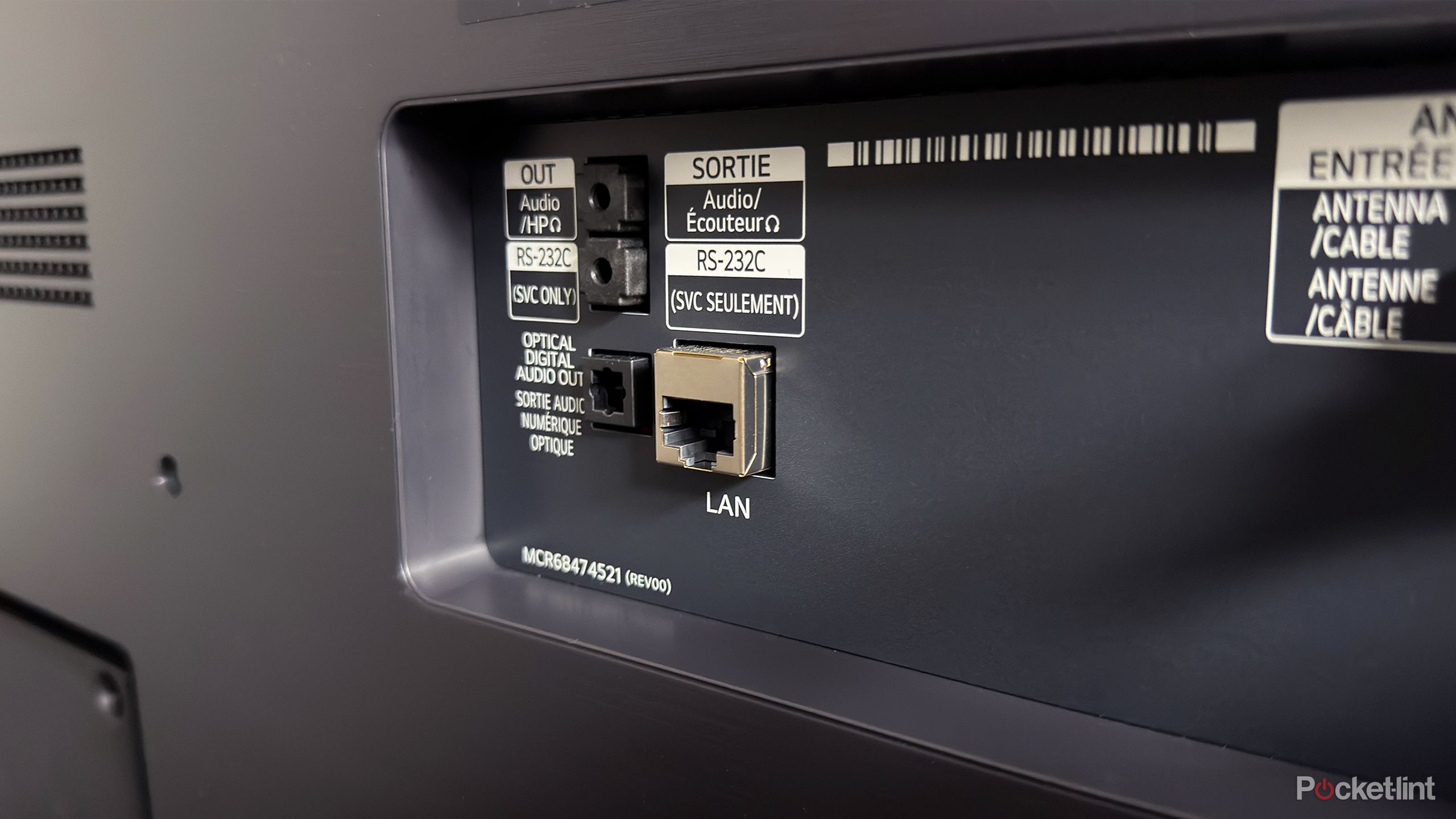
Understanding Tuner Architecture
Modern television tuners consist of several interconnected components that work sequentially:
Signal Reception Problems
Poor signal strength remains the most frequent culprit behind tuner malfunctions across all TV types. This issue typically stems from external factors rather than component failure itself.
Common causes:
-
Damaged or improperly positioned antennas
-
Loose coaxial cable connections
-
Electrical interference from nearby devices (wireless routers, cell phones)
-
Weather conditions and geographic obstacles affecting signal quality
Solutions:
-
Check all cable connections and ensure coaxial cables are tightly secured
-
Inspect cables for visible damage like kinks, cuts, or corrosion
-
Replace damaged cables and verify antenna positioning
-
Relocate electronic devices that might cause interference
-
Use the TV’s signal strength indicator to assess received signals
Local Oscillator Failures
The local oscillator is among the most vulnerable internal components. Electronic components within tuners can fail over time, leading to complete signal loss or erratic behavior.
Failure indicators:
-
inability to tune into specific channels
-
Frequent channel dropout or loss
-
Stuck on one channel, not responding to channel change commands
Root causes:
-
Heat damage from prolonged operation
-
Power surges causing sudden voltage spikes
-
Aging components degrading over time, especially in older TVs
-
Capacitor failure and circuit board connectivity issues
Solutions:
-
Perform a complete channel rescan through the TV’s menu system
-
Execute factory reset to reset all tuner-related settings
-
Test antenna system with different equipment to eliminate external factors
-
Professional component replacement by qualified technicians
Intermediate Frequency Stage Issues
The IF amplifier and demodulator stages handle critical signal processing. Hardware degradation occurs as sensitive electronic components degrade due to heat exposure or age.
Symptoms:
-
Snowy or pixelated images
-
Distorted sound quality
-
Weak signal displays with poor quality
-
Deteriorating signal reception quality over time
Digital Processing Faults
Modern digital tuners rely heavily on software to process signals, creating additional failure points beyond traditional hardware.
Common problems:
-
Outdated firmware not handling current broadcast standards
-
Corrupted software files
-
Compatibility issues with broadcast standards causing tuning failures
-
Channel scanning difficulties
Solutions:
-
Update firmware from manufacturer’s website
-
Follow manufacturer instructions carefully when updating
-
Run channel scan to refresh tuner’s channel list
When to Replace the Tuner Module
When the tuner fails completely, the TV may lose signal, display a “No Signal” message, or fail to tune into channels. Before concluding hardware failure has occurred, eliminate external factors first.
Diagnostic steps:
-
Test with different input sources (HDMI, AV, USB) – if they work, issue is likely the tuner
-
Try different antennas or connect known-good signal source directly
-
Verify HDMI, AV, or USB inputs function properly
The most common indicator needing replacement is deteriorating signal reception quality that persists after troubleshooting external factors. When component replacement within the tuner section is needed, skilled technicians can identify and replace faulty components to restore functionality.
For Nairobi residents experiencing persistent tuner issues following these troubleshooting steps, professional repair services offer diagnosis and component replacement options that can restore proper television functionality without requiring full TV replacement.