Keeping cooling systems running reliably saves energy, prevents downtime, and prolongs equipment life. Whether you manage a small shop, an office block, a hotel, or a factory floor, timely repair and preventive maintenance reduce costly emergency breakdowns and protect sensitive stock. This article explains what professional cooling-system repair and maintenance services cover in Kenya, typical costs you can expect, common problems and fixes, and practical tips for choosing a reliable service provider. It ends with frequently asked questions to help you decide when to call a technician.
Why professional service matters
-
Cooling equipment uses refrigerants, pressurised components, electrical systems, and controls; improper handling risks damage, reduced efficiency, and safety hazards.
-
Preventive maintenance reduces energy bills by keeping compressors, condensers, and evaporators clean and tuned.
-
Timely repairs prevent refrigerant leaks and compressor failures, which are usually the most expensive fixes.
-
Certified technicians follow regulations for refrigerant handling and disposal, protecting staff and the environment.
Core services offered
-
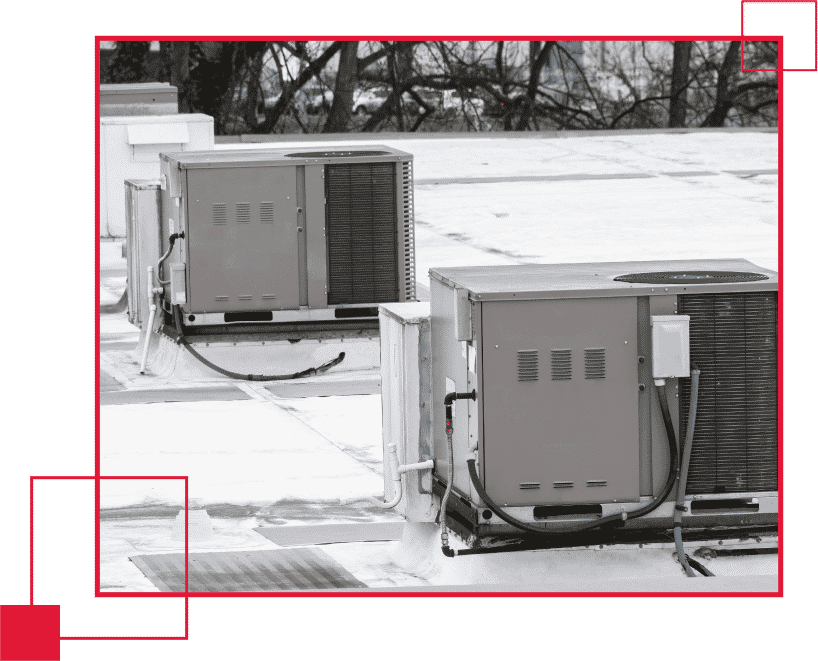
Emergency breakdown repairs for chillers, split/ducted HVAC, window units, rooftop packaged units, and industrial refrigeration.
-
Planned preventive maintenance (PPM) visits: cleaning, filter replacement, lubrication, electrical checks, refrigerant pressure checks, and performance tuning.
-
Refrigerant leak detection, repair, and recharge (R410A, R22 replacement management, R134a, and other common refrigerants).
-
Compressor diagnosis and replacement, including motor checks and crankcase heaters.
-
Condenser and evaporator coil cleaning, fin straightening, and corrosion protection.
-
Fan, blower, and motor repair or replacement.
-
Thermostat, sensor, and control system calibration and repair, including BMS integration troubleshooting.
-
Ductwork inspection and cleaning, airflow balancing, and insulation repairs.
-
Air filtration upgrades and HEPA/activated carbon retrofits for sensitive environments.
-
Installation and commissioning of new cooling systems, retrofits, and energy-efficiency upgrades.
-
Oil and lubricant changes, oil analysis, and shaft-seal repairs.
-
Vibration analysis and preventive diagnostics for industrial compressors.
-
Component sourcing and parts replacement (compressors, expansion valves, contactors, capacitors, thermostats, etc.).
-
Scheduled service contracts and remote monitoring setup.
Common faults and what technicians do
-
Unit won’t start: technicians check power supply, fuses, contactors, capacitors, control boards, and thermostat wiring.
-
Poor cooling or warm air: causes include refrigerant low charge, dirty coils, blocked airflow, or failing compressor; technicians perform diagnostics, leak checks, recharge, and coil servicing.
-
Short cycling: often due to faulty thermostat, incorrect refrigerant charge, or oversized compressor; technicians balance system or replace controls.
-
Strange noises: worn bearings, loose panels, or failing motors; technicians inspect, tighten, lubricate, and replace worn parts.
-
Water leaks or ice on evaporator: often caused by blocked drains, low refrigerant, or faulty defrost cycles; technicians clear drains, test defrost circuits, and restore proper charge.
-
High energy bills: technicians run performance tests, measure superheat/subcooling, and recommend cleanings, airflow adjustments, or component replacements.
-
Refrigerant leaks: technicians use electronic detectors or UV dye, repair piping or brazing, pressure-test systems, and recharge with correct refrigerant.
-
Electrical faults/tripping: technicians inspect contactors, overloads, wiring insulation, and protective devices, then repair or replace as needed.
Service cost guide
-
Prices vary by system type, capacity, location, and whether it’s emergency or planned work. The table below gives typical Kenya market ranges to help budgeting. These are estimates; request a site visit and written quotation for precise pricing.
Costs of common cooling services (KES)
Notes on pricing
-
Refrigerant costs vary greatly because some gases are phased down and harder to source; R410A and newer blends cost more than older R22 (where still in use) and prices change with global supply. Charging by kilogram makes recharges vary by system size.
-
Emergency call-out fees include travel and mobilisation; regular daytime visits are cheaper.
-
Labour, warranty work, and parts sourcing can change total cost; always ask for a breakdown.
-
For large plants, request a full maintenance proposal with KPIs (uptime targets, response times, reporting).
Choosing the right service provider
-
Verify certifications and refrigerant-handling licences for technicians.
-
Ask for references from similar clients (hotels, supermarkets, factories).
-
Prefer firms that provide written reports after service, with measured values (pressures, temperatures, amps).
-
Check their spare parts availability or relationships with suppliers to avoid long downtime.
-
Ask about insurance, safety record, and environmental disposal procedures for recovered refrigerants.
-
Compare SLAs for response time, first-visit fix rate, and after-hours support.
-
Consider signing a preventive maintenance contract for systems critical to business operations.
Maintenance checklist for owners/operators
-
Replace or clean air filters every 1–3 months depending on use and environment.
-
Keep condensers free of debris, bushes, and dust; clear 0.5–1 m clearance around outdoor units.
-
Check and clear condensate drains monthly.
-
Log operating temperatures, pressures, and run hours weekly.
-
Inspect belts and access panels every quarter and lubricate moving parts as recommended.
-
Schedule a professional full-service at least twice a year for commercial systems; annual for light domestic use.
-
Install simple monitoring like temperature and run-time meters to spot anomalies early.
Energy-saving tips
-
Set programmable thermostats wisely: small setbacks during unoccupied hours save significant energy.
-
Use variable-speed drives (VSD) where feasible for large fans and compressors.
-
Improve building insulation and reduce solar gain with shading to reduce cooling load.
-
Seal and balance ducts to avoid wasted airflow.
-
Replace old inefficient units with higher-efficiency models when lifecycle costs favour replacement.
Safety and regulatory considerations
-
Always use certified technicians for refrigerant handling to comply with regulations and avoid fines.
-
Ensure electrical isolation before servicing; large compressors require lockout/tagout practices.
-
Recovered refrigerant must be stored and disposed of according to environmental standards; demand documentation.
-
For installations, confirm building permits and compliance with local codes for rooftop loads and access.
Signs it’s time to call a technician
-
Sudden loss of cooling or unit won’t start.
-
Frequent tripping of breakers or unusual electrical smells.
-
Visible oil stains or ice formation on pipes.
-
Rapid increase in electricity bills without change in use.
-
Loud metallic banging or grinding from unit.
-
Recurring short cycling or poor humidity control in space.
Common preventative contract options
-
Quarterly inspection and minor servicing.
-
Biannual major servicing with coil deep-clean and refrigerant checks.
-
Full annual plant audit, performance tuning, and spare-parts inventory review.
-
24/7 emergency response add-on with guaranteed response windows.
-
Remote-monitoring setup with alerts and monthly performance reports.
Frequently asked questions (FAQs) 😊
-
How quickly can a technician respond to an emergency call?
Response depends on location and workload. Typical daytime response is within 4–8 hours; emergency or after-hours calls often have faster SLAs (2–4 hours) at an extra call-out fee. For remote sites allow longer travel time. -
How often should I service a commercial chiller? 🔧
For most commercial chillers, schedule preventive maintenance twice a year. High-demand or critical systems may require quarterly inspections and continuous monitoring. -
What does a standard split-unit service include? 🛠️
Typical service includes cleaning/replacing filters, cleaning evaporator and condenser coils, checking refrigerant pressures, electrical checks, lubrication where required, and testing controls and thermostat accuracy. -
How do I know if my system has a refrigerant leak? 💧
Common signs are loss of cooling, frost on evaporator coils, hissing noises, oil traces on piping, and a pressure imbalance in readings. Certified technicians use electronic detectors or UV dye to locate leaks. -
Is refrigerant recharge expensive? 💸
Cost depends on refrigerant type and quantity required. Prices per kilogram vary widely; small residential recharges may be affordable, while large commercial recharges can be costly. Always get a quote including labour and leak repair. -
Can I clean coils and filters myself? 🧰
Basic filter cleaning is fine for owners, but coil cleaning, refrigerant work, and electrical diagnostics should be left to professionals for safety and warranty reasons. -
When should a system be replaced instead of repaired? 🔁
Replace when repair cost approaches half the replacement price; if the system is old (approaching or past its expected lifecycle), inefficient, or uses phased-out refrigerant, replacement is often more cost-effective. -
Do you provide service contracts and monitoring? 📡
Many professional providers offer tailored service contracts with scheduled visits, emergency response, and remote monitoring options. Ask for a contract that includes KPIs and clear reporting.